
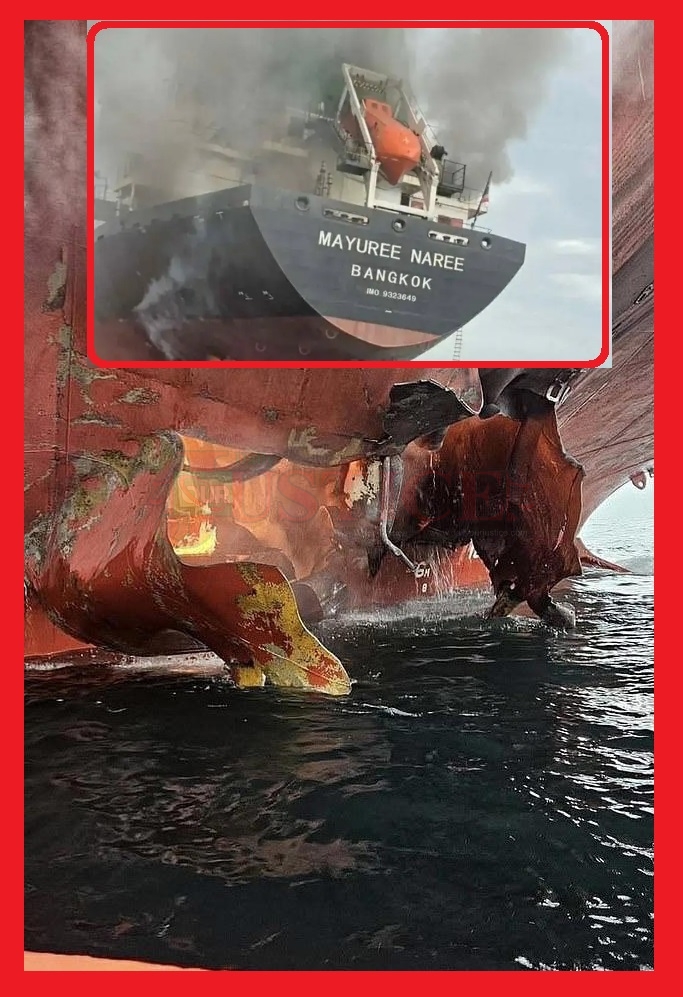
International Desk : As of March 11, 2026, Iran’s military command has warned that global oil prices could reach $200 per barrel. This escalation occurs amid an ongoing conflict with the U.S. and Israel, during which Iranian forces have reportedly targeted merchant ships in the Persian Gulf.
Strait of Hormuz crisis:
The maritime blockade intensified as three more merchant vessels were struck by “unknown projectiles”, bringing the total to 14 ships hit since the conflict began. Iran’s military command issued a dire warning that global oil prices could surge to $200 a barrel if regional security is not restored, as a fifth of the world’s oil remains trapped behind the narrow channel. (Sources: BBC, CNN, Reuters, UKMTO)
Mass displacement in Lebanon:
The Lebanese Ministry of Social Affairs reported that nearly 800,000 people have now been displaced. With Israeli evacuation orders affecting almost the entire population south of the Litani River, the UN warned of a growing humanitarian catastrophe as over 120,000 people seek refuge in overstretched government facilities. (Sources: Al Jazeera, UN)
Mass displacement in Lebanon:
The Lebanese Ministry of Social Affairs reported that nearly 800,000 people have now been displaced. With Israeli evacuation orders affecting almost the entire population south of the Litani River, the UN warned of a growing humanitarian catastrophe as over 120,000 people seek refuge in overstretched government facilities. (Sources: Al Jazeera, UN)
Global energy response:
A coalition of 32 countries, led by the International Energy Agency (IEA), agreed to a record-breaking release of 400 million barrels of oil from strategic reserves. The unprecedented move aims to stabilise global markets and prevent a “catastrophe” after Iran’s blockade of the Strait of Hormuz sent prices soaring. (Sources: BBC, Al Jazeera, IEA)
Mystery over supreme leader:
Conflicting reports persist about Iran’s new Supreme Leader Mojtaba Khamenei. While Israeli intelligence claims he was “lightly wounded” in US-Israeli air strikes — explaining his absence from the public eye — the Iranian Presidency’s office maintains he is “safe and sound”, describing him as a “wounded veteran” of the ongoing “Ramadan War”. (Sources: Reuters, DAWN)
Regional retaliation:
Iran launched its 35th wave of attacks, targeting US and Israeli assets across six countries. Notable strikes included drones falling near Dubai International Airport — injuring four civilians — and missile interceptions over Qatar and Bahrain, as Tehran demonstrates its continued ability to strike back despite heavy bombardment. (Sources: Dubai Media Office, Al Jazeera)
Escalation in Beirut:
Israeli forces targeted a residential building in central Beirut for the first time in this phase, triggering massive fires. Simultaneously, the IDF issued urgent evacuation orders for several southern suburbs, including Haret Hreik and Burj al-Barajneh, signalling an expansion of the air campaign against Hezbollah. (Sources: Reuters, CNN)
US casualties and targets:
The Pentagon confirmed that 140 US service members have been wounded in the first 10 days of the campaign. In Iraq, a drone strike hit the Baghdad Diplomatic Support Centre, a critical logistics hub for US diplomats, though no immediate casualties were reported from that specific incident. (Sources: DAWN, Washington Post)
Allegations of Russian support:
Ukrainian President Volodymyr Zelensky claimed that Russia is providing Iran with drones, missiles, and air-defence systems. He warned that this military cooperation mirrors the deployment of North Korean troops in Ukraine, potentially leading to a broader internationalisation of the Middle East conflict. (Source: X/Volodymyr Zelensky)
Iran said the world should be ready for oil at $200 a barrel as its forces hit merchant ships on Wednesday and the International Energy Agency recommended a massive release of strategic reserves to dampen one of the worst oil shocks since the 1970s.
Recent Shipping Attacks
Increased Targeting: Within nearly two weeks of conflict, at least 14 merchant vessels have been hit by “unknown projectiles,” with three more ships struck on March 11 alone.
Incidents:
Recent attacks involved a Thai-flagged carrier (requiring evacuation), a Japanese-flagged container ship, and a Marshall Islands-flagged bulk carrier. Explosive-laden drones have been used in several instances.
Energy Market Impact
Price Surge Warning: Iran’s military warned that regional instability could drive oil to $200 a barrel, after prices spiked to nearly $120 before settling around $90.
Market Response:
To combat the blockade of roughly one-fifth of global oil supply, the IEA is considering a record 400-million-barrel release from reserves.
Broader Escalation
Retaliation Threats: Iran has threatened to target regional banks that do business with the U.S. or Israel.
Security Concerns: While the FBI noted potential drone risks, the Israeli defense ministry has stated that operations in the region will continue indefinitely.